
Measurements and Algorithms
Temperature
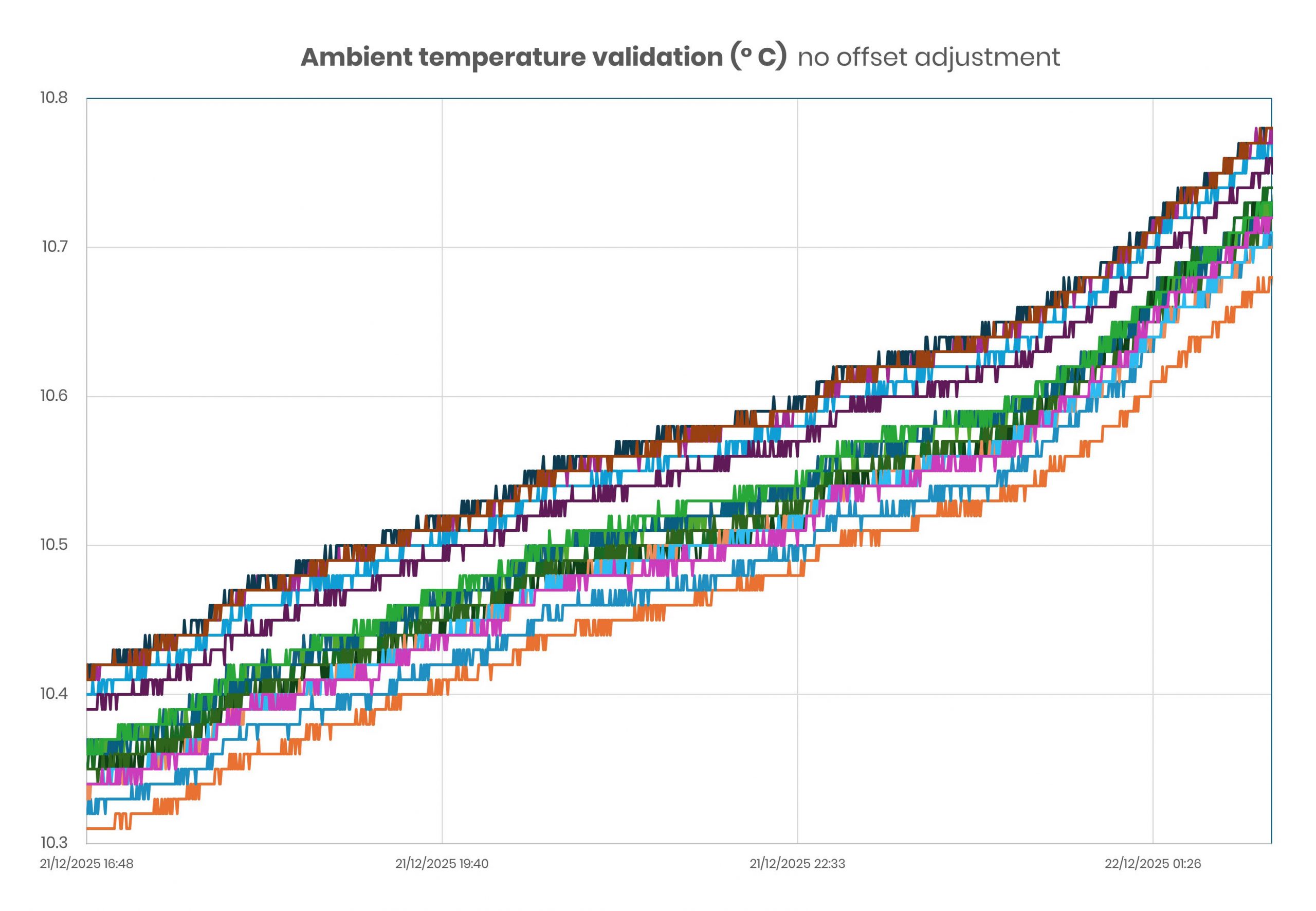
We all feel temperature and notice when it’s too hot or too cold. The difference can be as little as 0.2°C – from 19°C in the bedroom to 20°C in the office or 21°C in the factory. Ambient temperature is the temperature of air around you, while the mean radiant temperature (MRT) is the average temperature of the surrounding surfaces. How hot or cold you feel is a function of both ambient and radiant temperature. Accuracy is important and small temperature differences can result in large energy expenditures. If sensor accuracy is ±0.3°C, then the error between adjoining rooms can be 0.6°C, the difference between comfort and wasted energy. NosmoTech temperature sensors are the most accurate available today: ±0.1°C
CO2
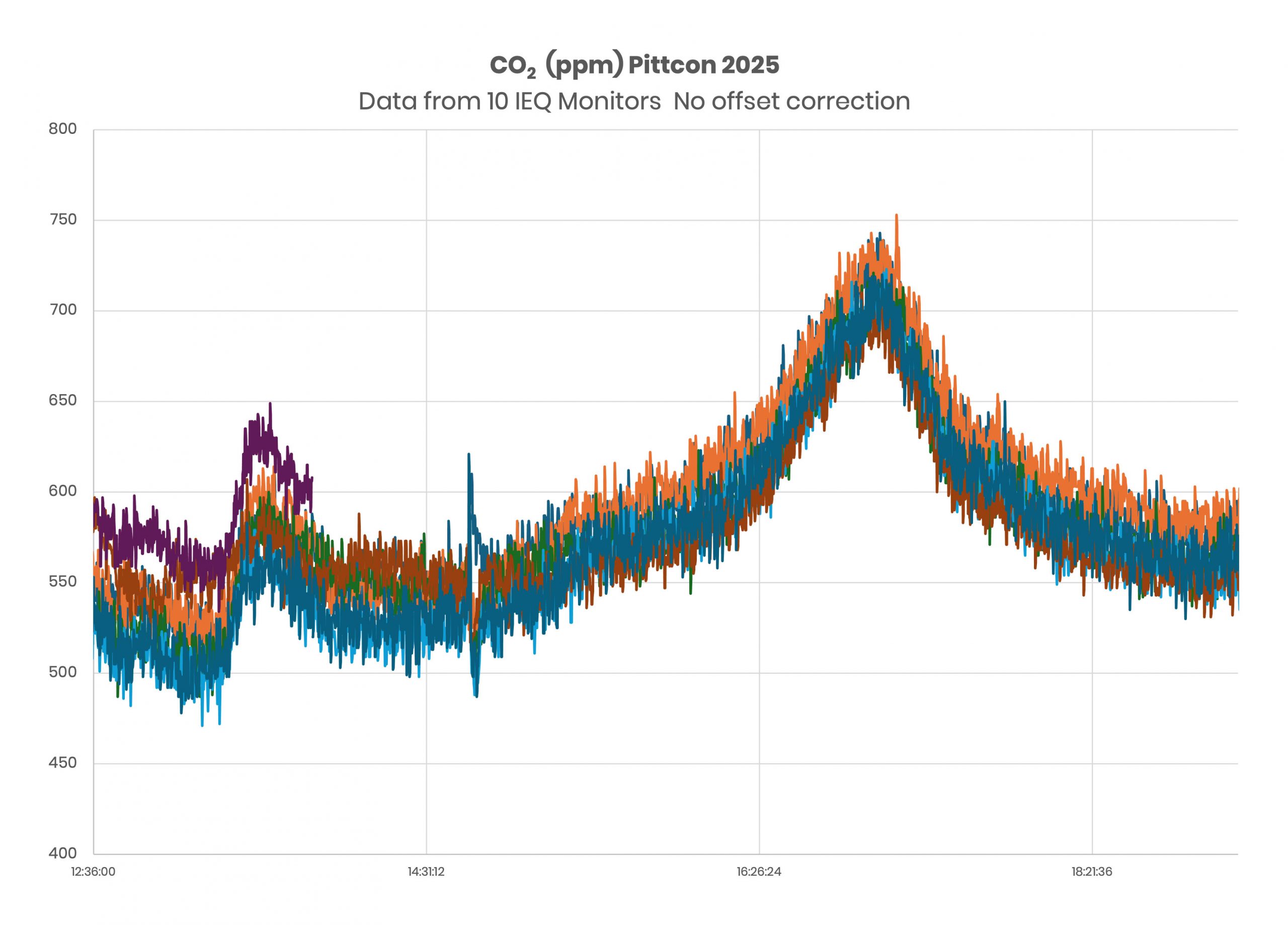
We can measure CO2 concentration with current technologies, but what does that mean? We are given threshold guidelines at 1000 ppm steady state concentration, but this concentration does not allow for variations of people and activity in an area. How many people are in the space? Are they sleeping or in the gym?
ASHRAE 62 requires that the measurement be the difference between outdoor and indoor air CO2 concentration; and ASTM D6245-25 has further clarified that there are problems with steady state concentration. This steady state concentration threshold cannot lead us to the necessary adjustment.
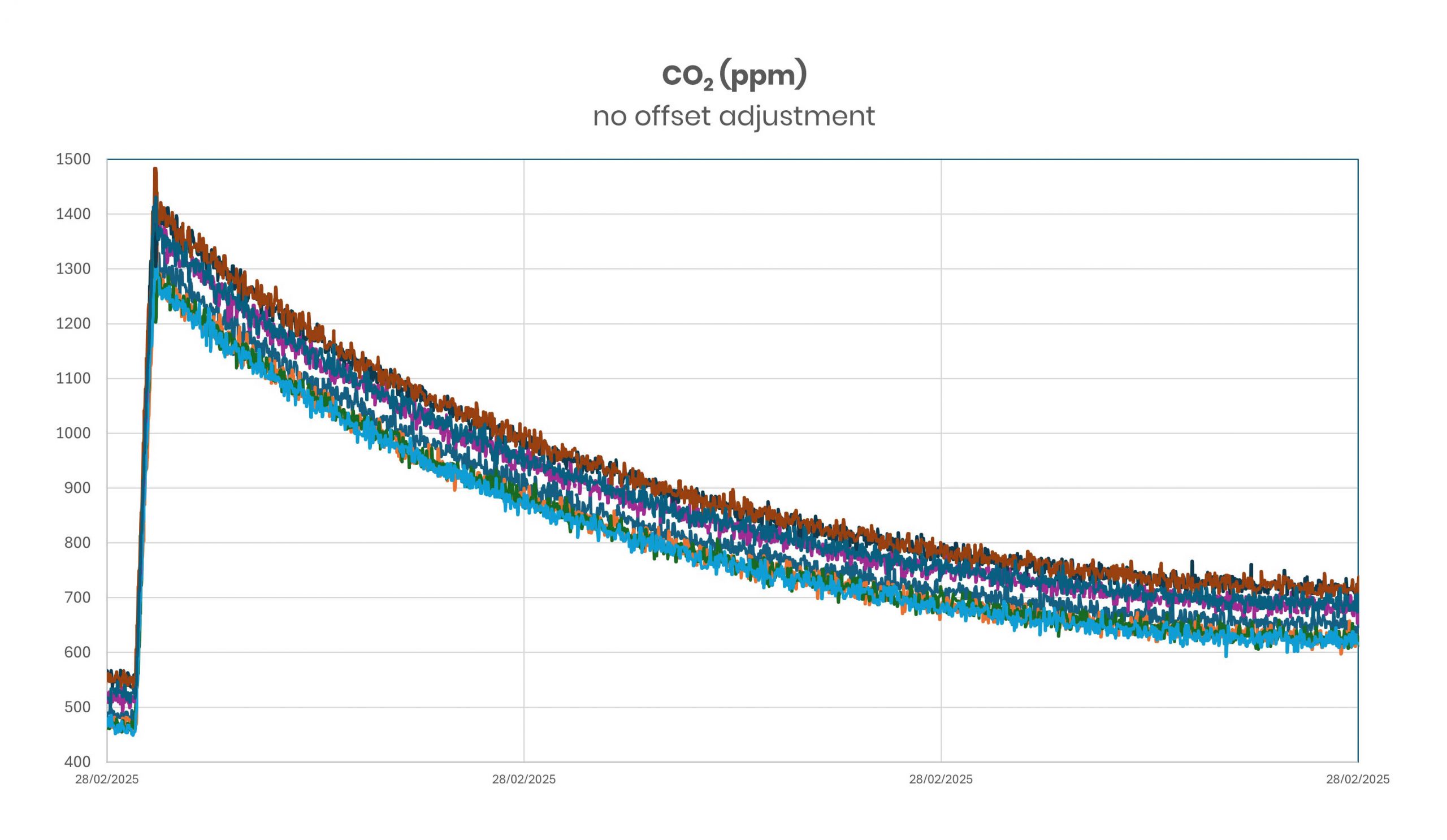
NosmoTech follows ASHRAE and ASTM guidelines and our patented FastLog© analysis tracks when the space changes: opening windows, ventilation switching, students entering the classroom. We calculate the dynamic air change rate (ACR) when there are changes to the zone.
Particulate (PM) Monitors
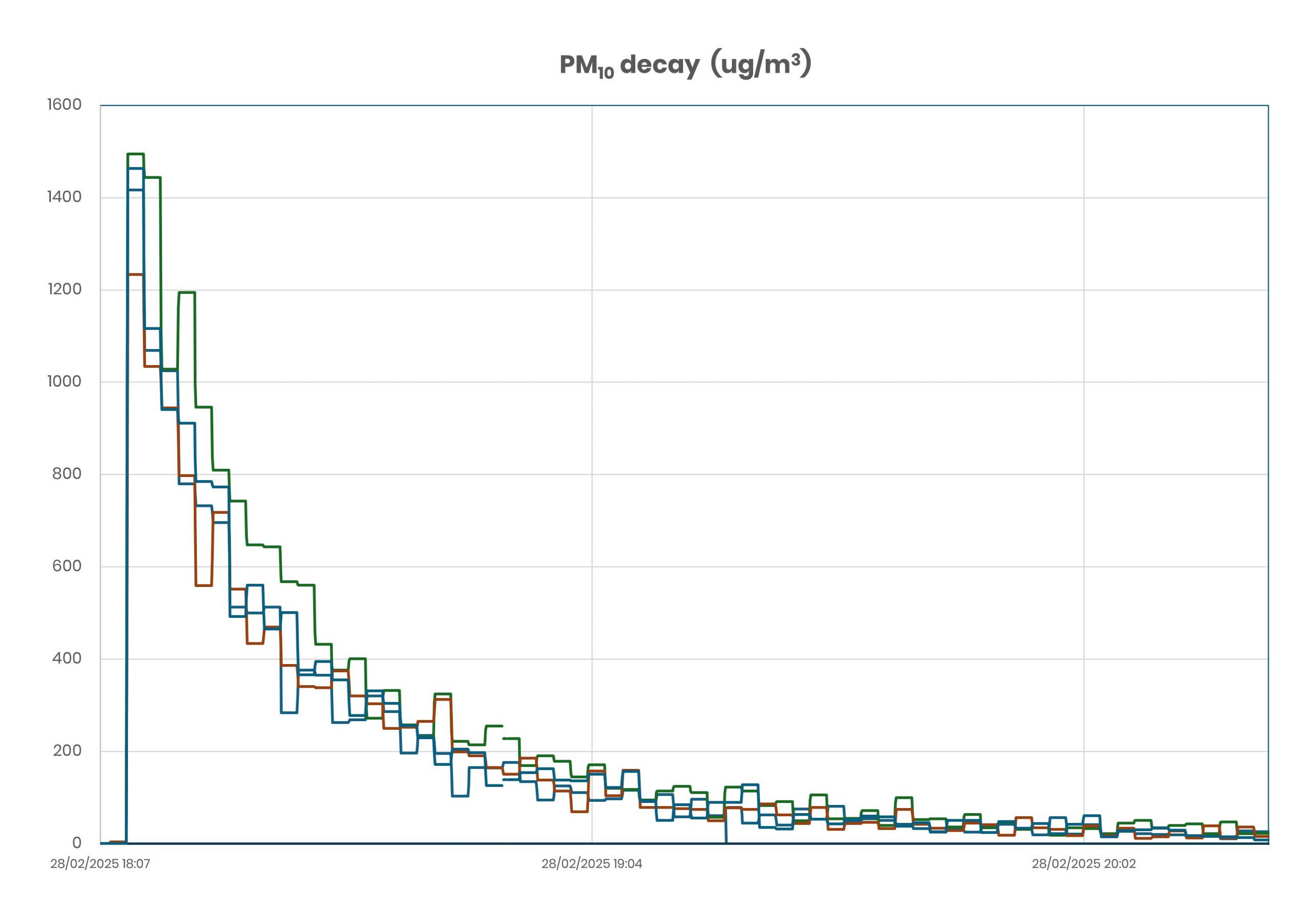
Particles are classified as a very hazardous pollutant. They are Categorised by size: ultrafine, fine, and coarse. The smallest particles pose the greatest health hazard.
NosmoTech uses the best Nephelometric detectors for detecting fine (PM2.5) and coarse (PM10) particles. While most PMs claim unsupported performance, our PMs from Tera are superior to Plantower and other PMs for data quality. Our PM is the only monitor with an in-built heater, needed to ensure accurate measurement at high humidities. We do not measure ultrafine particles (5 to 100 nm diameter) but we provide PM1 data.
NO2
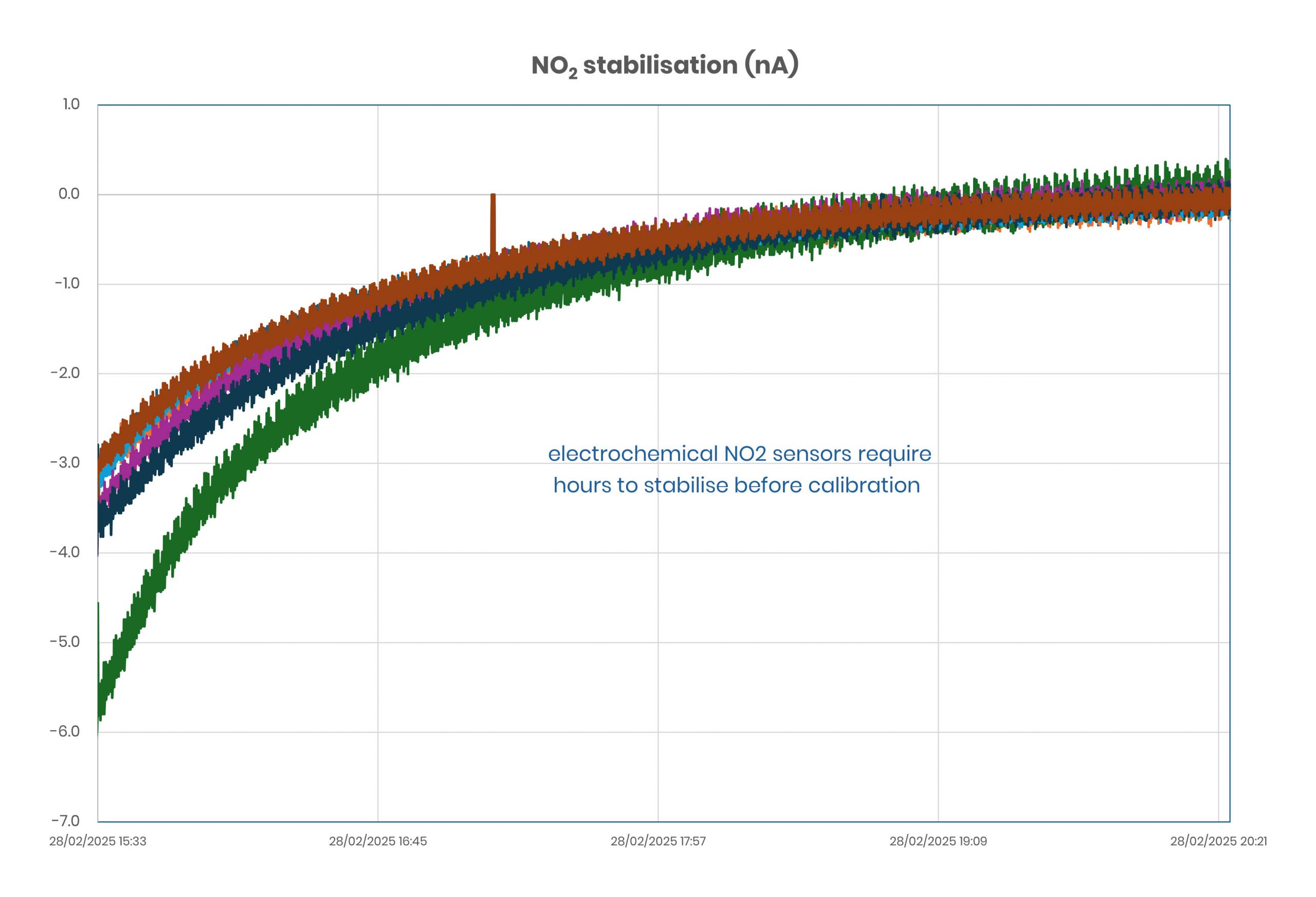
Nitrogen dioxide (NO2) is a dangerous gas. If you live near a busy street, cook with gas, or have a gas boiler or a fireplace, then NO2 will be present. Although concentrations are low, your health is susceptible even at these levels. Cheap metal oxide sensors may indicate presence, but NosmoTech uses patented electrochemical NO2 sensors to give precise concentration values across the entire network.
Humidity and airflow
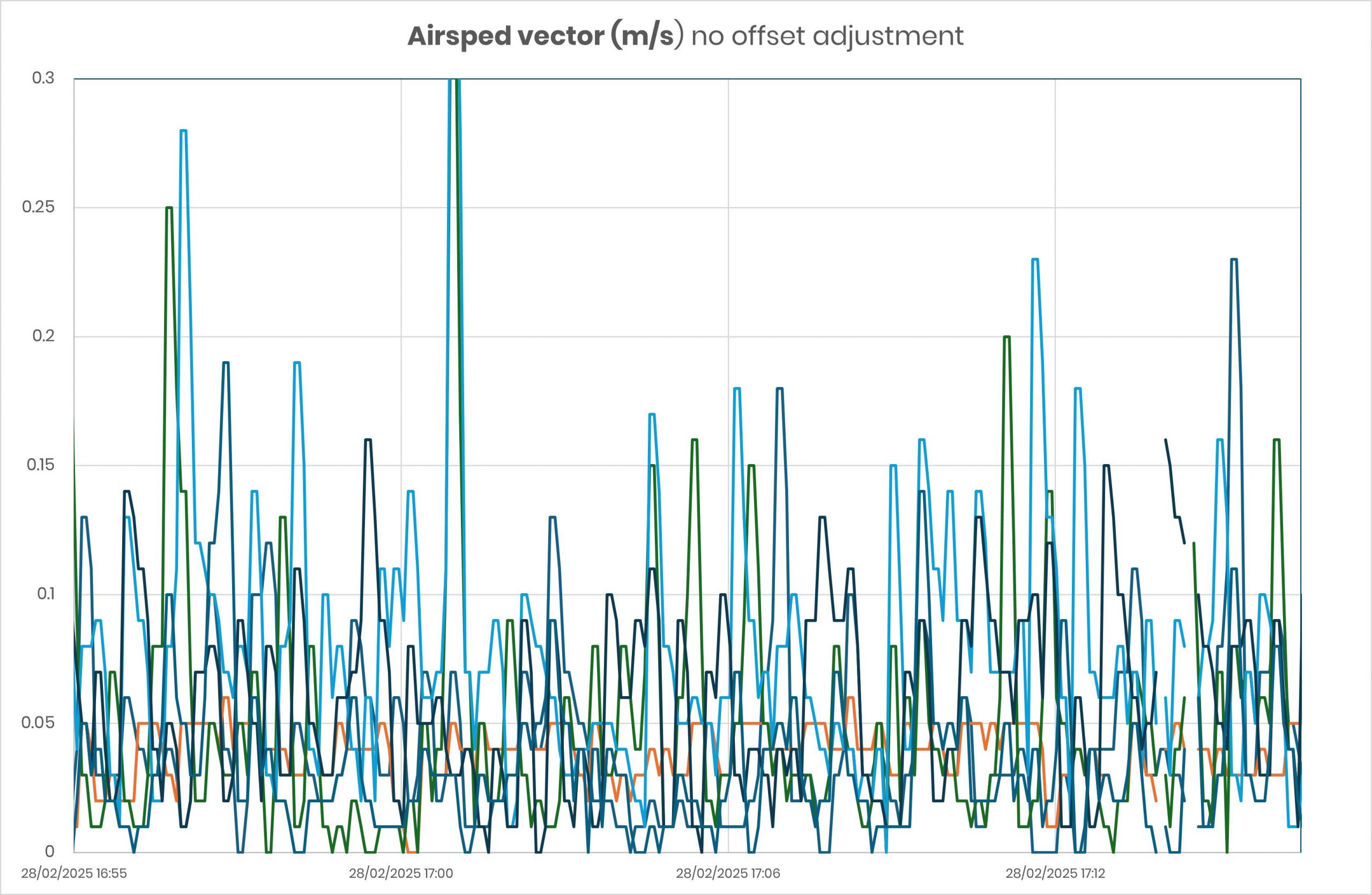
Relative humidity is important for comfort and health. High humidity (>70% RH) supports mould and microbial growth, but humidity control alone is insufficient. Drying clothes, cooking, poor insulation, and low airflow all contribute to high humidity. Good airflow is critical to reduce humidity and avoid mould. At the other extreme, very low humidity can cause skin dryness and health problems. BuiltAir IEQ Monitors are unique in monitoring both humidity and airflow.
Barometric pressure
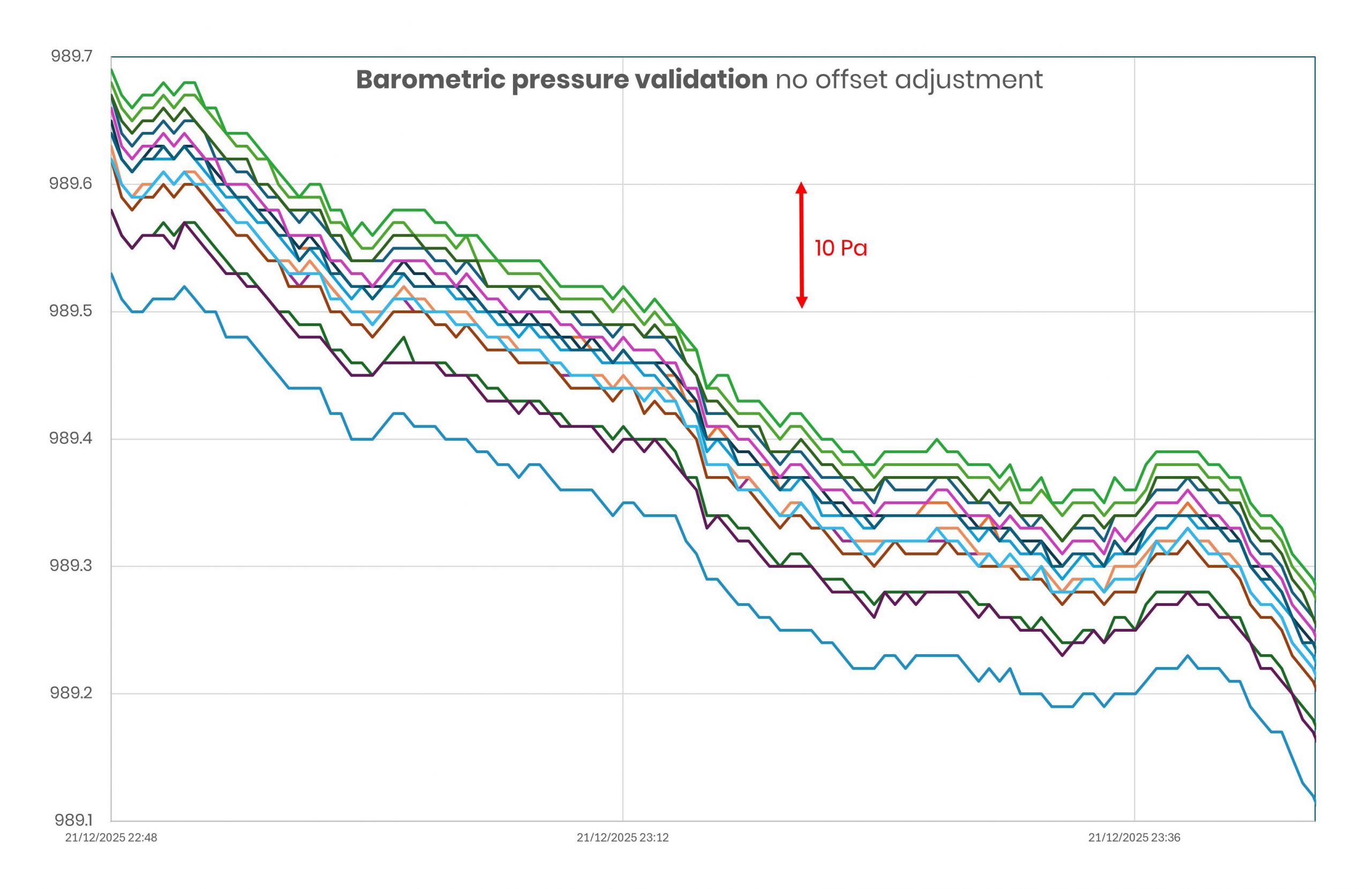
HVAC engineers and building managers frequently focus only on the mechanical ventilation system when concerned with good air exchange rates. But for many buildings with mechanical ventilation, up to 40% of air change occurs by infiltration and exfiltration. And weather conditions also play an important part; pressure differences from windy weather around a building can significantly change outdoor air infiltration rates. Since pressure differences drive these less obvious but import air mixing routes through open windows and doors and leaky construction, the standard measuring method is to place hoses in each adjoining zone and connect the hoses to a differential pressure meter – a clumsy and tedious solution. The BuiltAir IEQ Monitor includes a high resolution (<1Pa resolution), very accurate barometric pressure sensor. An IEQ Monitor placed in each adjoining room, or outside, provides an absolute pressure reading in each zone, so you simply calculate the pressure difference to obtain the differential pressure that is driving infiltration or exfiltration. Very simple.
Noise
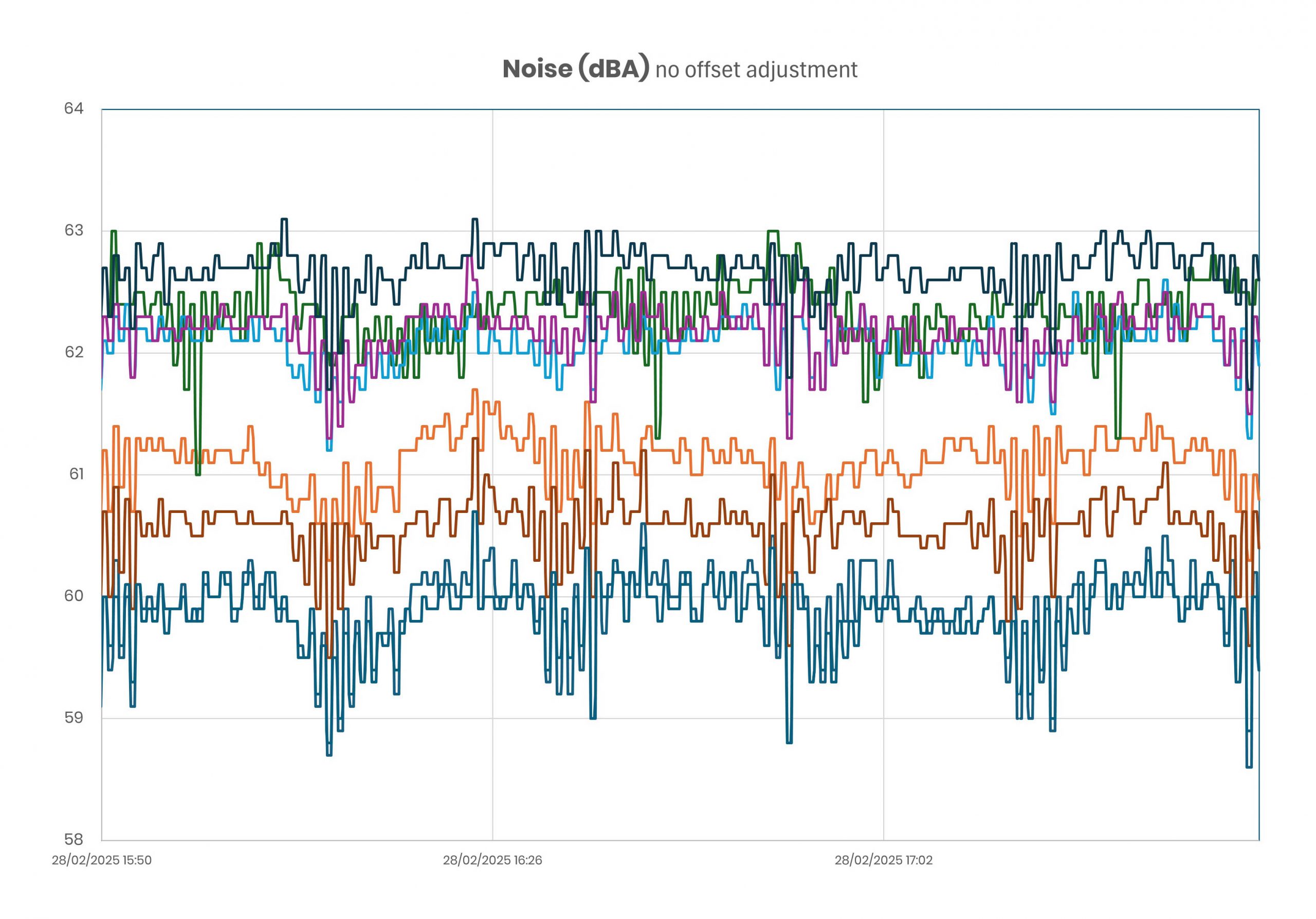
Homes, classrooms, offices, hospitals, and events are noisy. NosmoTech records standard dBA noise levels every second, and also monitors dBC, capturing low-frequency rumbles that are often missed. Continuous monitoring detects transient noise peaks not captured by handheld meters.
NosmoTech also uses noise to trigger transient event recording using the patented FastLog algorithm.
Light
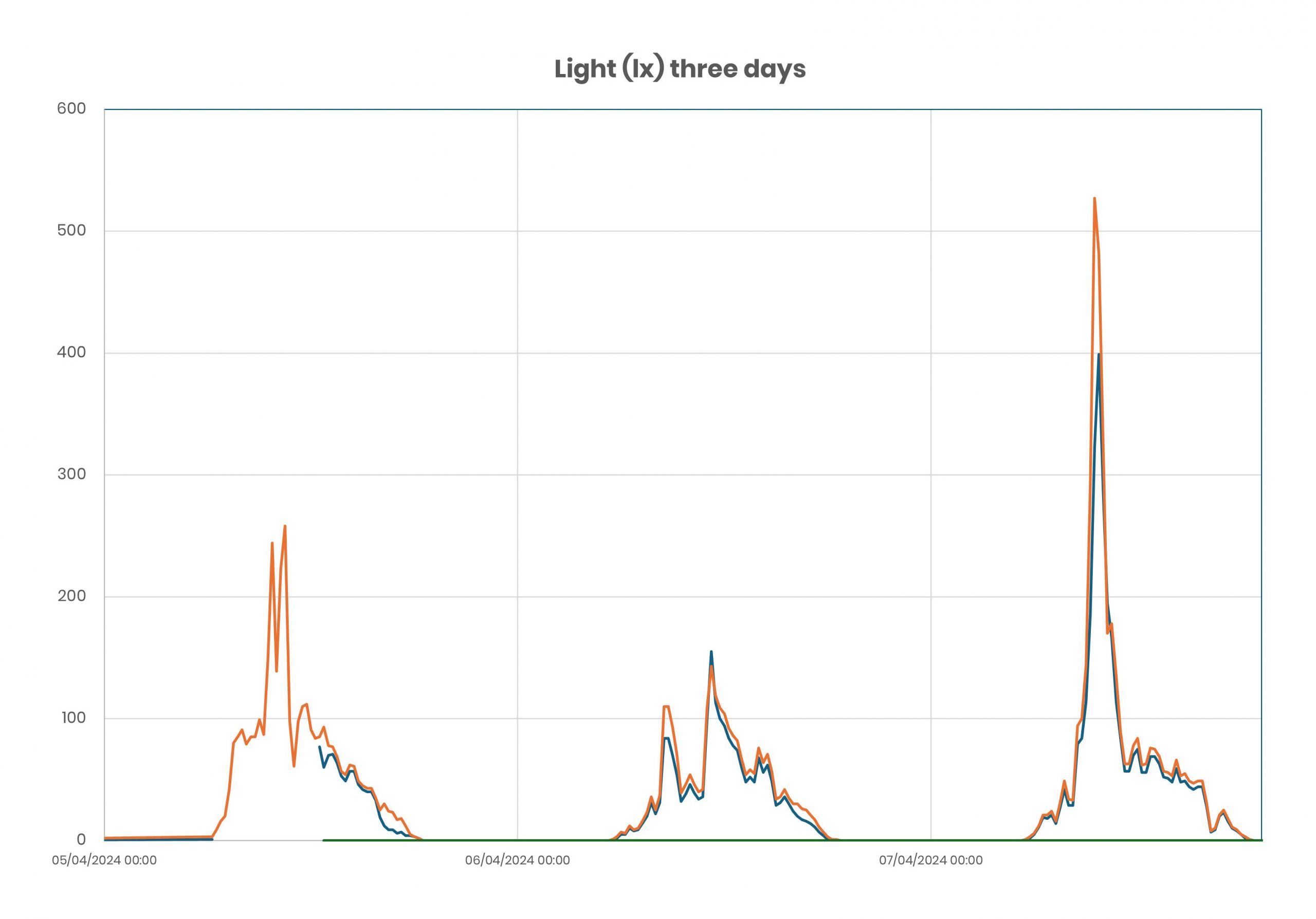
Often ignored, poor lighting can cause irritation and eye strain. NosmoTech sensors monitor indoor environmental quality (IEQ), including light. We measure visible light and the full spectrum, relevant to plants, mould growth, and radiant heat.
Building IEQ and ASHRAE 55
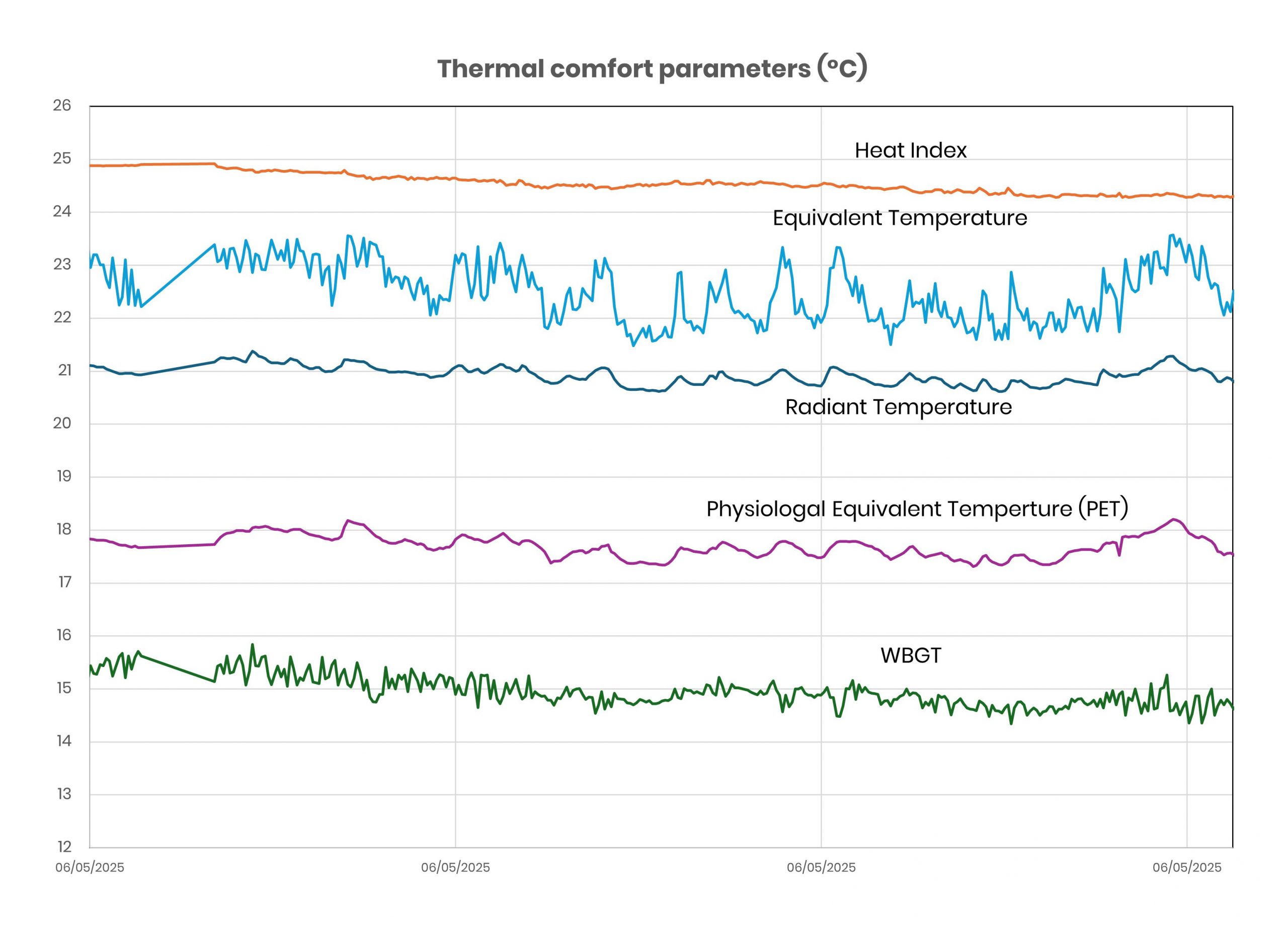
Thermal comfort includes temperature, humidity, fresh air, and airflow. NosmoTech BuiltAir is the only monitor that includes airflow sensors to detect drafts, ensuring good airflow.
ASHRAE 62 and ventilation
Other IAQ monitors rely on static CO2 concentrations. The BuiltAir Monitor tracks transient concentrations to calculate air exchange rates using tracer response or decay, providing multiple, real-time readings.
Precision pressure and airflow sensors allow interzone airflow analysis, essential for hybrid and natural ventilation systems.
Calibration
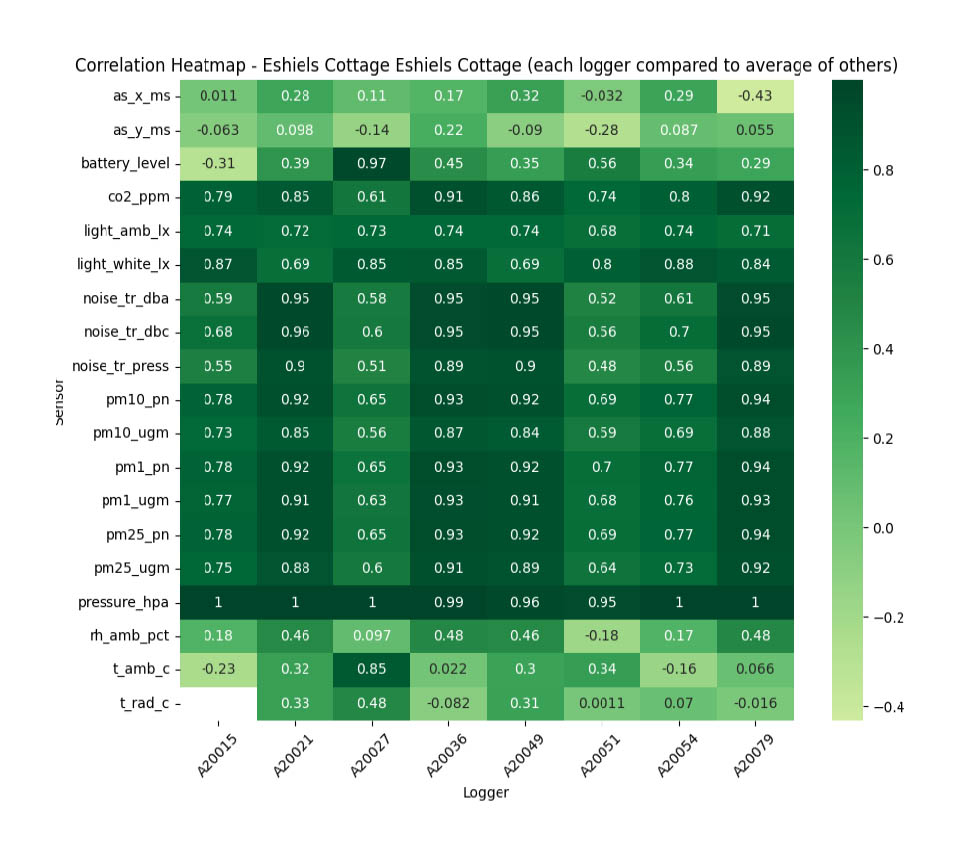
Low-cost sensors require careful calibration. BuiltAir SensorNet uniquely synchronises monitors for co-location calibration (CEN TS 17660). Heatmaps show variance and reference analysers can be added for absolute accuracy.

Data Analysis
Data leads to decisions through expert analysis. NosmoTech members contribute to CEN, ASTM, and ISO standards. We analyse dynamic and static data to optimise ventilation, reduce pollutants, and control energy. Advanced metrics such as WBGT, Heat Index, air exchange rates, and pollutant reduction rates are uniquely available with BuiltAir.
Sampling frequency, FastLog
The BuiltAir IEQ Monitor sampling period ranges from 5 seconds to one hour, recording mean, minimum, and maximum values. Network-wide synchronisation provides accurate snapshots.
FastLog automatically captures rapid environmental changes by switching to high-frequency logging. Only BuiltAir provides this capability.
Spreadsheets and Downloading
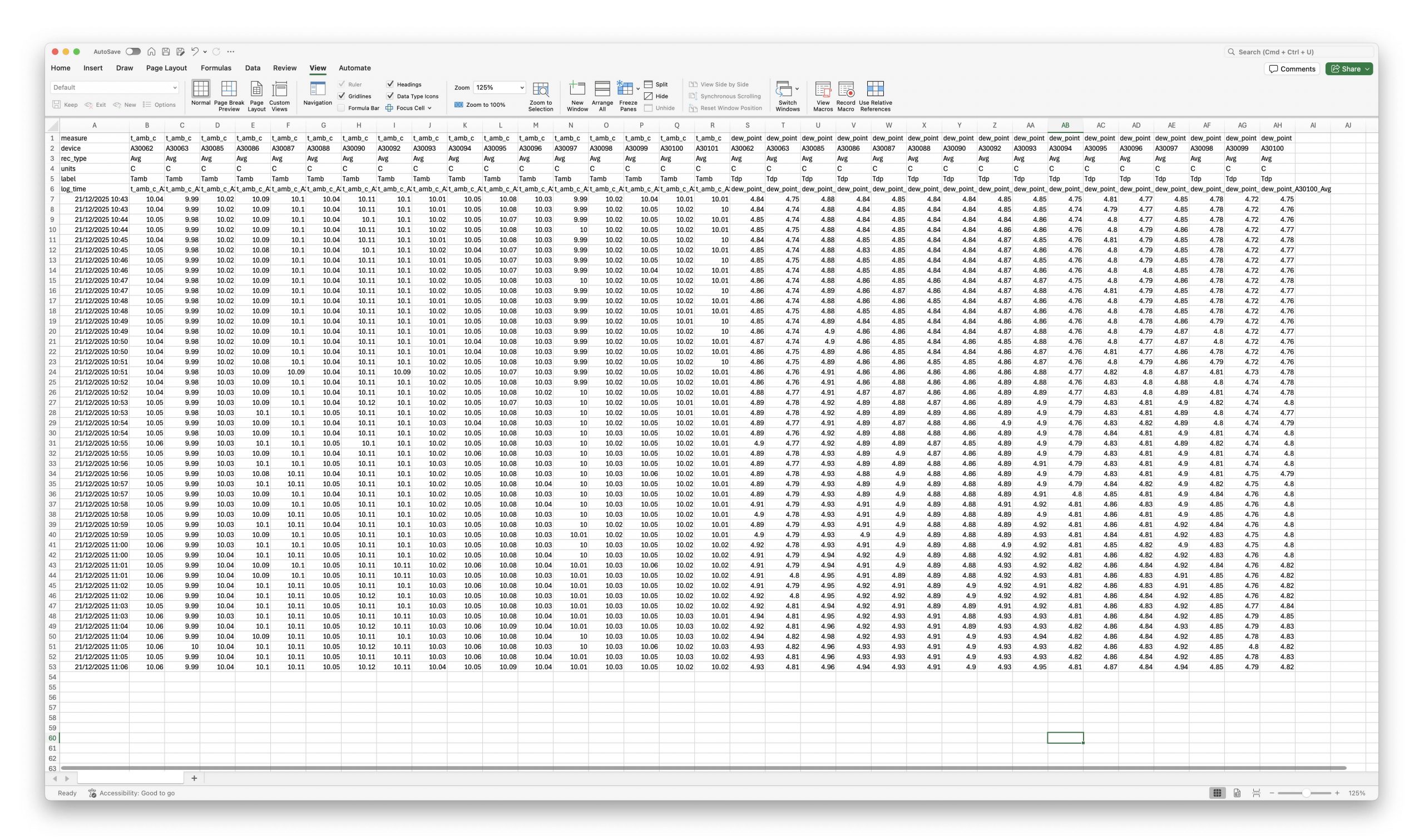
Readings are stored locally and transmitted to the BuiltAir Cloud for analysis. Sessions generate plots, statistics, and heatmaps, which you can download for database or CSV (Excel) formats.